
Siding Repair vs. Full Replacement: What Northland Homeowners Should Know
The question we hear most in Liberty, Gladstone, and Parkville isn't whether work is needed — it's whether a patch will do. Here's how to tell the difference.
Published February 24, 2026
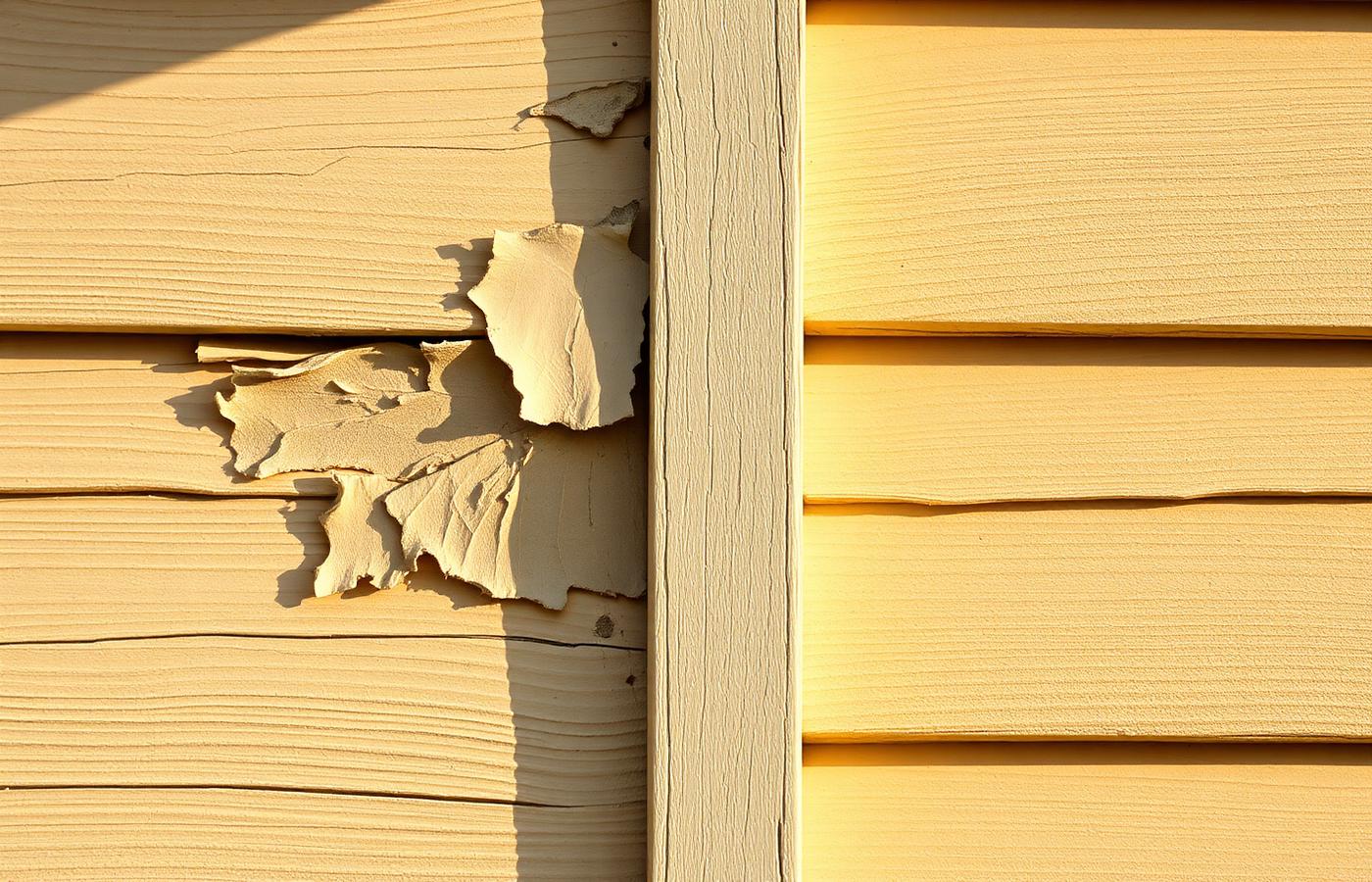
A repair is usually enough if the damage is isolated to one or two panels and there's no moisture behind the siding. Full replacement is the right call if you're seeing warping across multiple sections, soft spots when you press on it, or siding that's original to a home 20+ years old. In Liberty, Gladstone, and Parkville, hail, wind-driven rain, and freeze-thaw cycles mean we see both situations constantly — here's how to tell which one you're looking at.
Signs a repair is enough
- Damage is isolated to one or two sections (a storm-cracked panel, a small impact area).
- The rest of the siding is structurally sound and just needs paint or a color match.
- There's no widespread moisture damage behind the siding.
Signs you're looking at full replacement
- Warping or buckling across multiple sections, often from moisture trapped underneath.
- Soft spots when you press on the siding — usually a sign of wood rot underneath, not just surface damage.
- Siding that's original to a home 20+ years old, where matching discontinued panels for a repair isn't realistic.
The wood rot connection
A lot of siding repair calls turn into rot removal jobs once the damaged panel comes off — moisture gets behind siding long before it's visible from the outside. That's why any legitimate siding repair should include a check underneath before anything gets closed back up, not just a swap of the visible panel.
Bottom line: a good contractor tells you honestly which situation you're in, rather than defaulting to a full replacement quote when a repair would do the job — or missing rot damage by only patching the surface.
Frequently asked
Sometimes — it depends on how discontinued the original siding style/color is. We'll tell you honestly if a clean match isn't realistic before you commit to a repair-only approach.
Not always, but often — moisture tends to get behind siding before it's visible from the outside. Any legitimate repair should include a check underneath the damaged panel before it's closed back up. If rot is found, we'll show you before doing anything further.
Soft spots, visible warping, or siding that's pulling away from the wall shouldn't wait — those usually mean moisture is already getting into the structure. A single cracked panel with no softness around it can typically wait for a scheduled repair.
Keep reading
Ready to bring your color to life?
Tell me about the project and I'll come walk it with you — no pressure, no sales pitch.