
What to Expect From Drywall Installation Before Paint in Lee's Summit
Bad drywall prep shows up as visible seams, dips, and uneven texture no matter how good the paint is. Here's what proper installation includes.
Published April 7, 2026
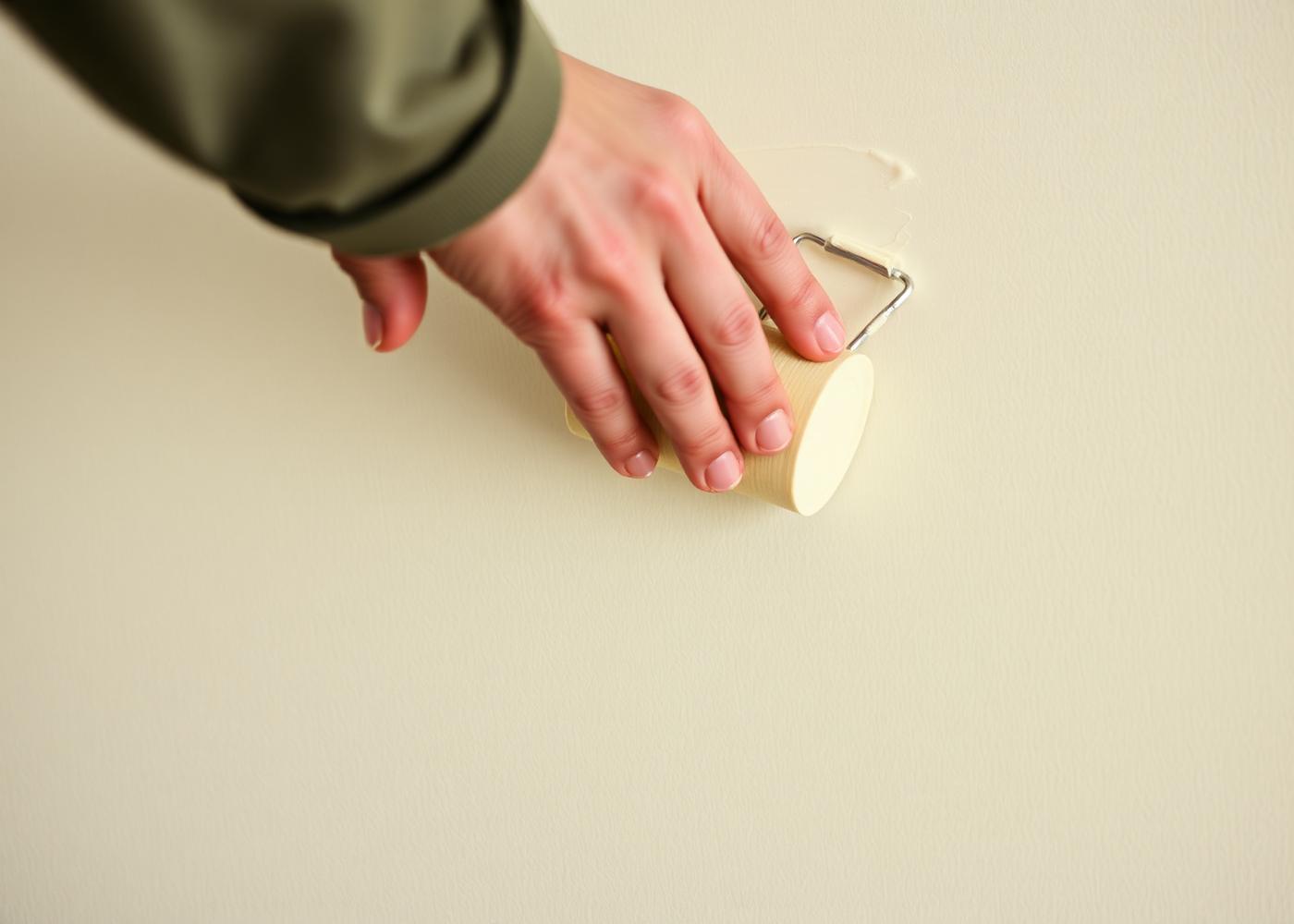
Whether it's a basement finish, a room addition, or replacing drywall damaged by water or a repair job, the quality of the drywall work underneath determines how good the paint job looks on top. Bad drywall prep shows up as visible seams, dips, and uneven texture no matter how good the paint is.
What proper drywall installation includes
- Hanging. Sheets are cut and fastened to studs with proper spacing and fastener pattern, not just tacked up quickly.
- Taping. Seams get joint tape embedded in compound to prevent cracking at the seams later.
- Floating (mudding). Multiple coats of joint compound, each sanded smooth, to feather seams and fastener holes into an invisible, flat surface.
- Texture matching. If you're patching into existing drywall (common in Lee's Summit's older housing stock), matching the existing texture — orange peel, knockdown, smooth — is what makes a repair invisible instead of obvious.
- Priming. Drywall compound and drywall paper absorb paint differently; skipping a proper primer coat is why patched areas sometimes show through the topcoat (“flashing”).
Why this matters more than people expect
Most drywall problems that show up after painting — visible seams, flashing, cracking at corners — trace back to a rushed float-and-sand step, not the paint itself. A paint job is only as good as the wall underneath it.
Frequently asked
Yes — texture matching is a standard part of any patch or partial-room drywall job, and it's what makes a repair blend in instead of standing out.
Joint compound should be fully dry (not just surface-dry) before priming — typically 24 hours per coat depending on humidity and thickness, with proper sanding between coats.
Yes — full-room hanging, taping, and finishing for additions and remodels, in addition to repair and patch work.
Keep reading
Ready to bring your color to life?
Tell me about the project and I'll come walk it with you — no pressure, no sales pitch.